Essential Guide for Starting a Profitable Chicken Farm
Introduction to Chicken Farming
Chicken farming is a rewarding venture that requires thorough planning and knowledge. With the right approach, it can be a profitable business. This guide will cover the essential steps for starting a successful chicken farm.
Market Research and Planning
Before diving into the world of chicken farming, it’s crucial to conduct thorough market research. Understand the demand for different types of chicken products, such as eggs and meat. Analyze the competition, and identify your target market.
1. Conduct Market Research
– Study the local and national demand for chicken products.
– Analyze the competition and their pricing strategies.
– Determine your target market and their preferences.
2. Develop a Business Plan
– Outline your farm’s goals and expected production.
– Determine the capital required and the financial projections.
– Plan for long-term sustainability and scalability.
Choosing the Right Breed
Selecting the right breed is crucial for the success of your chicken farm. Different breeds produce different quantities and qualities of eggs and meat.
1. Determine Your Farm’s Purpose
– Decide whether your farm will focus on egg production or meat production.
– Consider your target market’s preferences.
2. Research and Select Breeds
– Conduct research on various chicken breeds.
– Choose breeds that are well-suited to your climate and environment.
– Consider factors like productivity, growth rate, and disease resistance.
Setting Up Your Farm
Creating an optimal environment for your chickens is essential for their health and productivity.
1. Choose the Right Location
– Select a location with access to clean water and a reliable power source.
– Ensure the property is suitable for chicken farming in terms of size and layout.
2. Build Chicken Coops and Runs
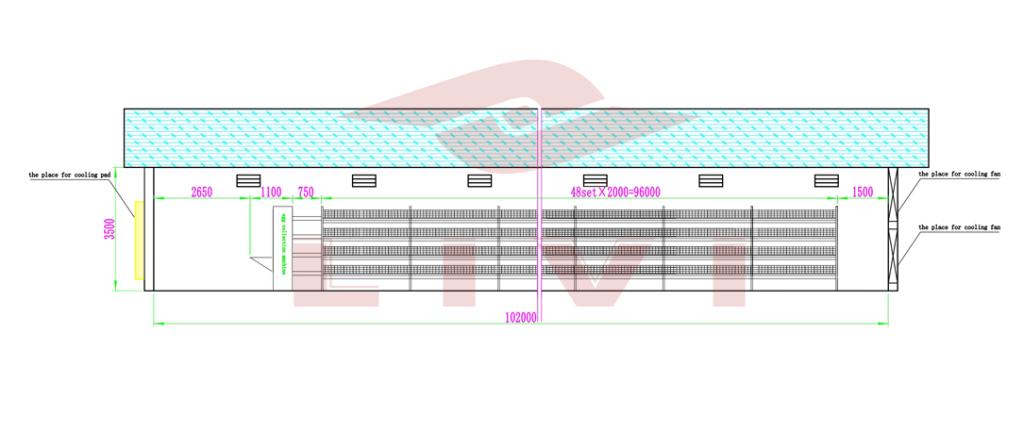
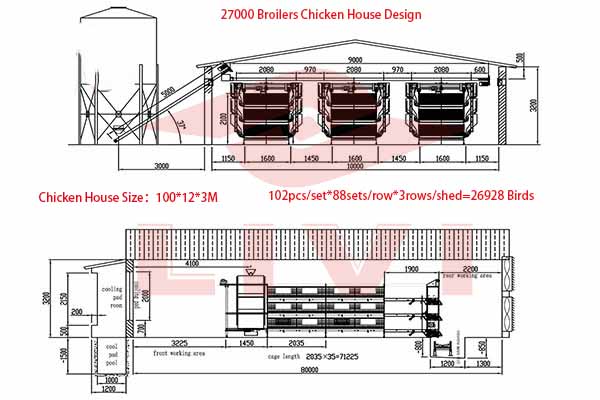
– Design and construct chicken coops that provide adequate space, ventilation, and protection from predators.
– Create secure outdoor runs for the chickens to roam.
3. Install Necessary Equipment
– Invest in quality equipment, such as feeders, waterers, and lighting systems.
– Ensure all equipment is easy to clean and maintain.
Feeding and Nutrition
Proper nutrition is crucial for healthy chickens and optimal production.
1. Choose the Right Feed
– Select a high-quality feed that meets the nutritional needs of your chickens.
– Consider the specific needs of different breeds and life stages.
2. Monitor Feed Intake
– Regularly check feed intake to ensure your chickens are consuming the right amount.
– Adjust feed accordingly to maintain optimal health and production.
Health Management
Implementing a robust health management plan is crucial for preventing disease and maintaining productivity.
1. Regular Health Checks
– Conduct regular health checks to identify and treat any illnesses early.
– Stay informed about common chicken diseases and their symptoms.
2. Biosecurity Measures
– Implement biosecurity measures to prevent the spread of diseases.
– Clean and disinfect coops, equipment, and vehicles regularly.
Marketing and Sales
Effective marketing and sales strategies are essential for attracting customers and maintaining a steady revenue stream.
1. Develop a Marketing Plan
– Identify your target market and their preferences.
– Create a marketing plan that includes online and offline strategies.
2. Establish Distribution Channels
– Determine how you will distribute your chicken products.
– Consider direct sales to consumers, partnerships with local businesses, and online sales.
Conclusion
Starting a profitable chicken farm requires careful planning, knowledge, and dedication. By following this essential guide, you’ll be well on your way to building a successful chicken farming business.
Get in Touch
Are you ready to start your chicken farming journey? Contact us today for a free, personalized chicken farm design and equipment quote. Our experts at LIVI Machinery are here to help you every step of the way.