Step-by-step Poultry Farm Setup in Kenya: A Comprehensive Guide
Setting up a poultry farm in Kenya can be a profitable venture. This article provides a detailed, step-by-step guide to help potential investors and poultry farm owners in Kenya to start their venture smoothly.
Step 1: Market Research and Feasibility Study
Before setting up a poultry farm, it’s essential to conduct a thorough market research and feasibility study. This will help you understand the market demand, competition, and the potential return on investment.
- Analyze the market demand for different poultry products such as eggs and meat.
- Identify potential competitors and their strategies.
- Assess the financial implications of setting up and running a poultry farm.
Step 2: Choose the Right Location
The location of your poultry farm plays a crucial role in its success. Here are some factors to consider:
- Accessibility: Ensure that the farm is easily accessible for both transportation and supply of inputs.
- Proximity to the market: Choose a location that is close to the target market for your poultry products.
- Adequate space: Ensure that the location has enough space to accommodate the birds and equipment.
Step 3: Obtain Necessary Permits and Licenses
In Kenya, you need to obtain the following permits and licenses to operate a poultry farm:
- Environmental Impact Assessment (EIA) certificate
- Poultry farming permit from the Department of Veterinary Services
- Water abstraction license
- Zoning permit
Step 4: Build the Infrastructure
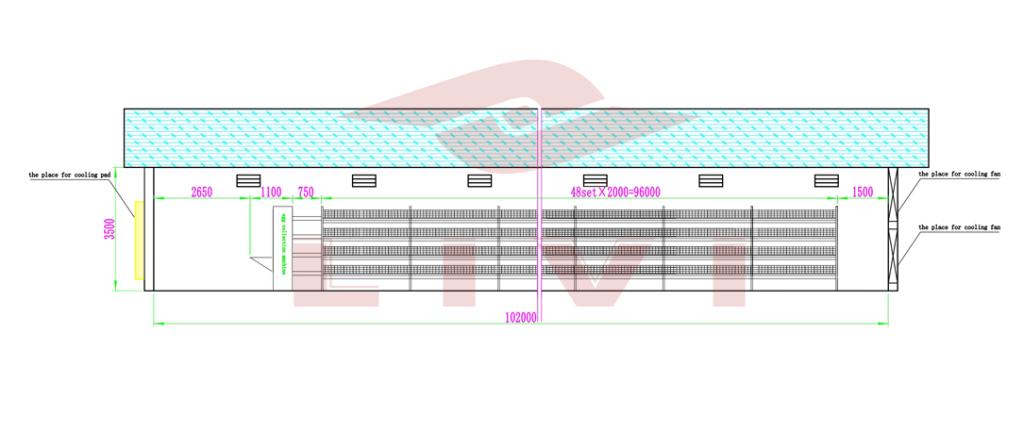
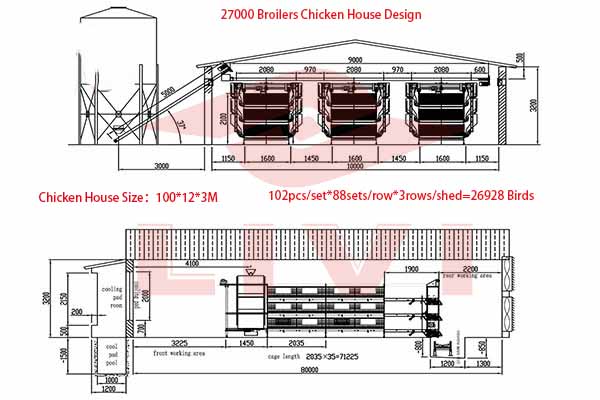
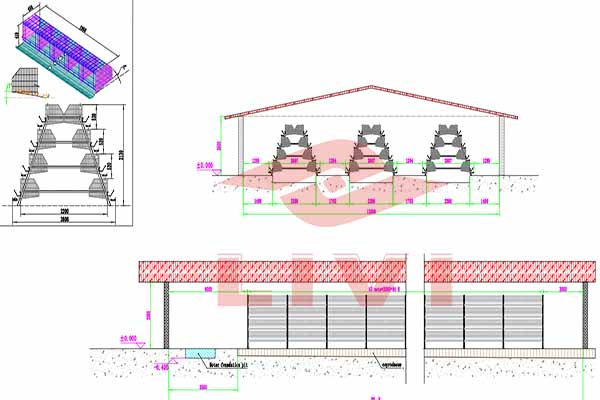
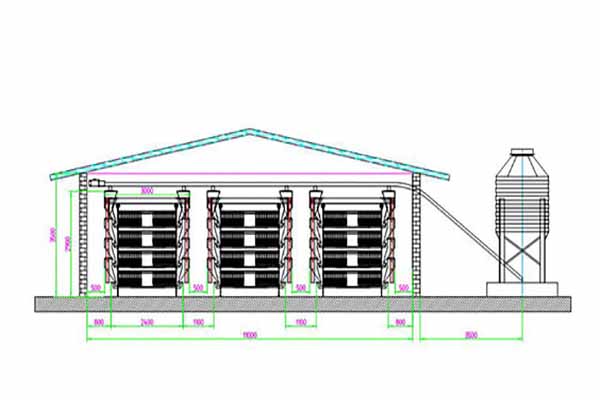
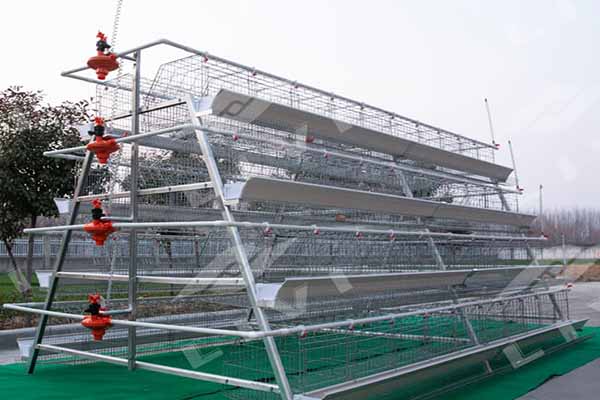
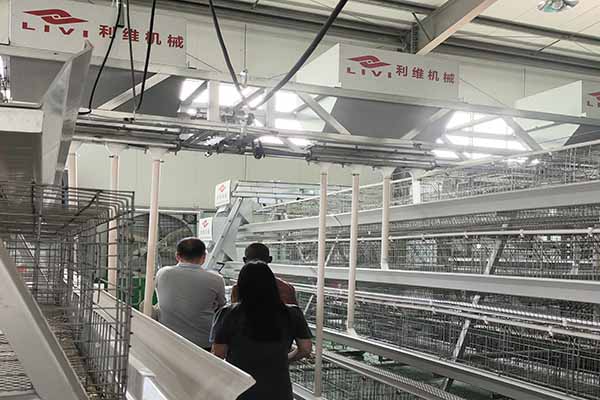
The infrastructure of a poultry farm includes buildings, equipment, and water supply. Here’s what you need to consider:
- Chicken coops: Choose coops that provide enough space for the birds to move around comfortably.
- Water supply: Ensure a reliable source of water for the birds and equipment.
- Equipment: Invest in quality feeders, drinkers, and lighting equipment.
Step 5: Procure Feed and Breeders
Quality feed and breeders are crucial for the success of your poultry farm. Here’s how to get them:
- Choose a reputable feed supplier.
- Procure high-quality breeders from a reliable breeder or hatchery.
- Ensure proper nutrition and health care for the birds.
Step 6: Implement Biosecurity Measures
Biosecurity is vital to prevent the spread of diseases among your birds. Here are some key measures:
- Sanitize all equipment and facilities regularly.
- Control access to the farm.
- Implement a vaccination program.
Step 7: Marketing and Sales
Develop a marketing plan to promote your poultry products and reach your target market. Here are some strategies:
- Use social media and online platforms to reach a wider audience.
- Partner with local retailers and restaurants.
- Attend trade shows and industry events to network and market your products.
Starting a poultry farm in Kenya can be a rewarding venture. With thorough planning and execution, you can achieve success in this industry.
For more information or to request a free poultry farm design and equipment quotation from LIVI Machinery, please leave a comment below.