Optimizing Commercial Layer Housing Systems in Kenya: Key Considerations
As the poultry industry in Kenya continues to flourish, the implementation of efficient commercial layer housing systems has become a necessity. This article delves into the essential factors that should be considered when setting up a successful layer housing system, focusing on the best practices and innovative technologies available.
Key Considerations for Commercial Layer Housing in Kenya
-
Space Allocation
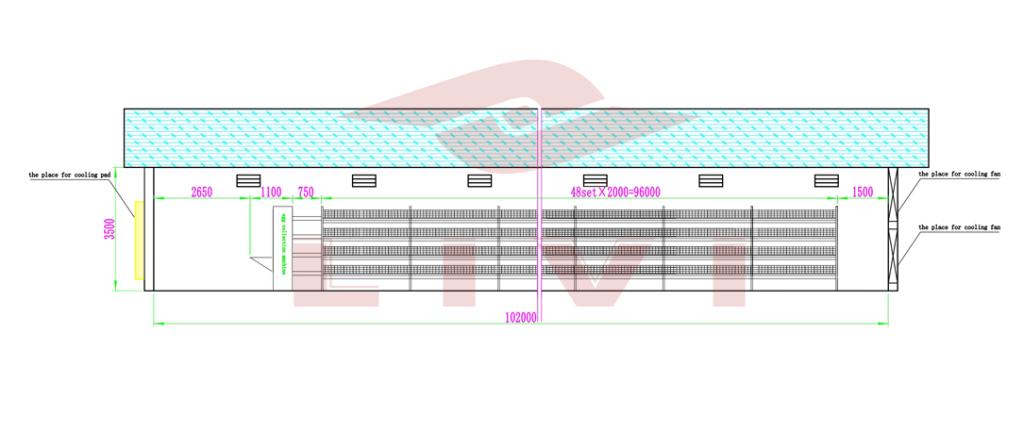
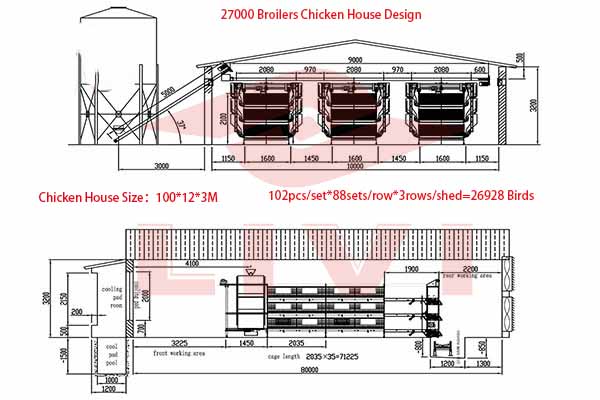
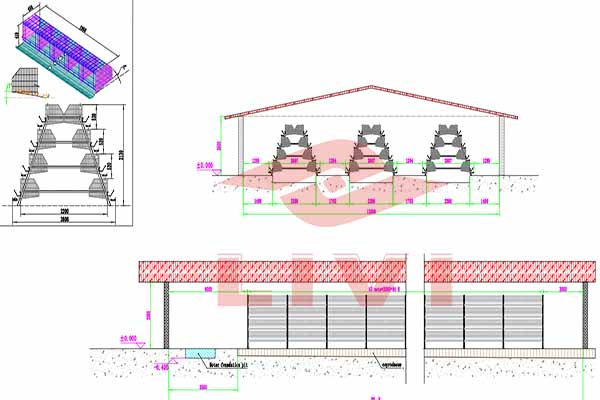
The ideal space for each layer should be around 1.5 square meters, which ensures proper growth and comfort. As a reference, the standard Kenyan broiler house can be adapted for layer housing, with slight modifications.
-
Airflow and Temperature Control
To maintain optimal conditions, the housing must provide adequate airflow and temperature control. In Kenya, the temperature should ideally be kept between 15-20 degrees Celsius. Proper ventilation and cooling systems are crucial to achieve this.
-
Luminosity and Egg Yield
Layers require approximately 16 hours of light per day to maintain optimal egg production. Using advanced lighting technologies, such as LED systems, can ensure energy efficiency and enhance the egg yield.
-
Sanitation and Biosecurity
A well-structured biosecurity program is essential to minimize the risk of disease outbreaks. Regular cleaning, waste management, and restricted access to the housing area are some measures that can be implemented.
Innovative Technologies for Layer Housing in Kenya
With the rapid advancement of technology, various innovative solutions have emerged in the poultry industry, making layer housing systems more efficient and productive. Here are a few notable technologies:
-
Automated Feeding Systems
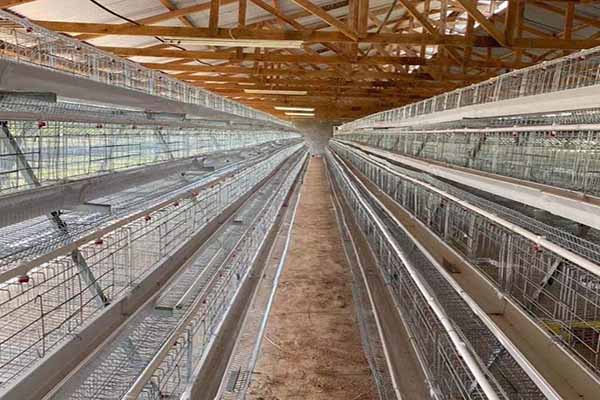
Automated feeding systems can help reduce labor costs, ensure consistent feed consumption, and improve flock health.
-
Watering Equipment
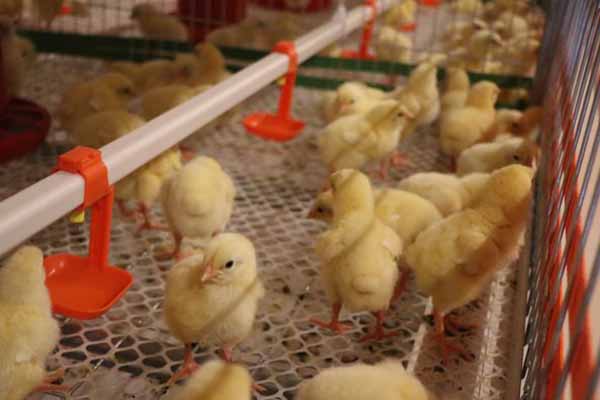
The use of nipple watering systems can reduce water wastage and ensure consistent access to clean water for the birds.
-
Disease Monitoring Tools
Employing real-time disease monitoring tools can help poultry farmers detect early signs of illness, minimizing the impact on flock health and productivity.
Conclusion
In conclusion, th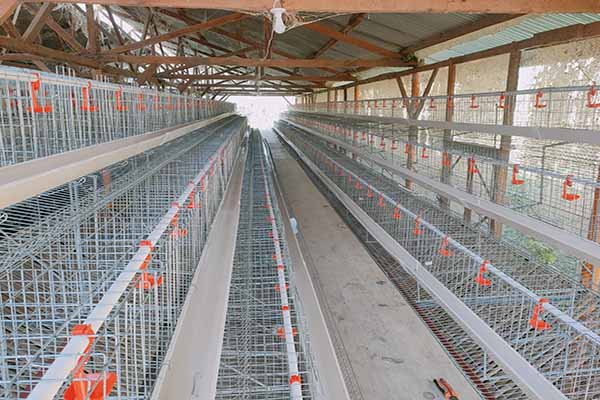 e establishment of a successful commercial layer housing system in Kenya requires careful consideration of various factors, including space allocation, airflow, luminosity, and biosecurity. By embracing innovative technologies, poultry farmers can achieve optimal productivity and profitability.
For more information or to discuss your specific requirements, please feel free to leave a comment below. Our team at LIVI Machinery will be happy to assist you with free poultry farm design plans and equipment quotes.