Latest Trends in Chicken Farming Technology
Introduction to Modern Chicken Farming Techniques
The chicken farming industry has seen a significant transformation over the years, with the integration of advanced technologies to enhance productivity and sustainability. In this article, we delve into the latest trends in chicken farming technology that are shaping the industry today.
1. Automated Feeding Systems
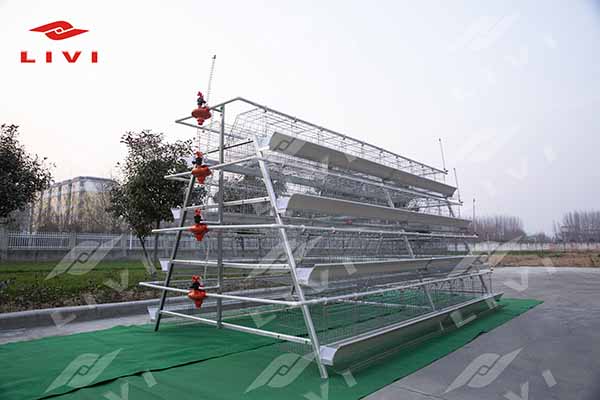
Automated feeding systems have revolutionized the way chickens are fed. These systems ensure precise and consistent feed distribution, reducing waste and improving overall flock health. According to a study by the International Journal of Poultry Science, automated feeding systems can increase feed conversion rates by up to 10%.
2. Precision Livestock Farming (PLF)
Precision Livestock Farming combines sensors, data analytics, and decision support tools to monitor and manage chicken flocks more effectively. This technology allows farmers to make informed decisions regarding feed, health, and housing, leading to better animal welfare and increased profitability.
3. Biosecurity Measures
Biosecurity is crucial in chicken farming to prevent diseases and maintain flock health. The latest technology in biosecurity includes automated disinfection systems, footbaths, and air filtration units. These measures help reduce the risk of disease outbreaks and ensure a sustainable farming operation.
4. Egg Grading and Sorting Machines
Egg grading and sorting machines have become an essential part of modern chicken farming. These machines use advanced imaging technology to sort eggs based on size, shape, and quality, resulting in a higher market value for the farmer.
5. Energy-Efficient Lighting
Energy-efficient lighting systems have been introduced to optimize chicken growth and egg production. These systems provide the optimal light spectrum and intensity for chickens, resulting in better health, productivity, and reduced energy costs.
6. Environmental Control Systems
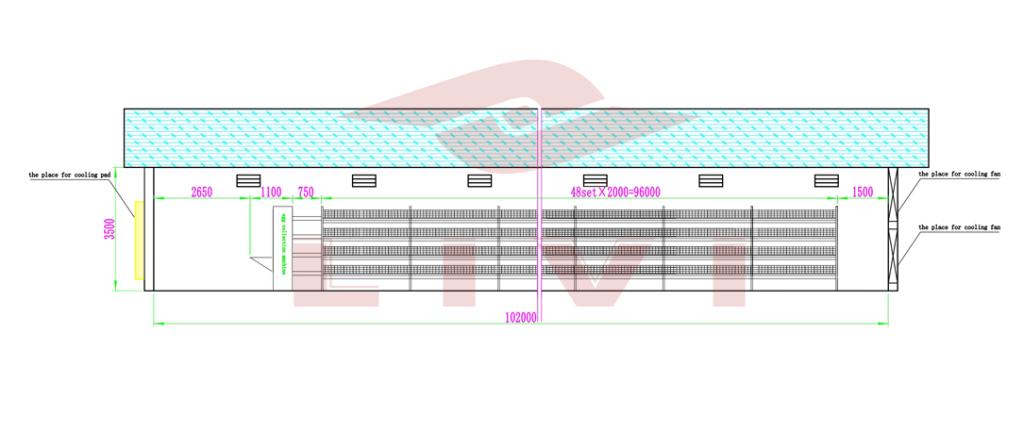
Environmental control systems play a vital role in chicken farming by maintaining optimal temperature, humidity, and air quality. These systems use sensors and automated controls to adjust the environment in real-time, ensuring the well-being of the chickens.
7. Genetic Improvement
Genetic improvement continues to be a key driver in the chicken farming industry. Through selective breeding and genetic modification, farmers can produce chickens with desirable traits, such as increased growth rates, improved feed conversion, and better disease resistance.
Conclusion
The integration of advanced technologies in chicken farming has led to significant improvements in productivity, sustainability, and animal welfare. As the industry evolves, it is crucial for farmers and investors to stay informed about the latest trends in chicken farming technology.
For more information on how our LIVI machinery can help your chicken farming operation, please leave a comment below or contact us for a free chicken farming design and equipment quote.