Broiler Cage Operation Plan: A Comprehensive Guide for Chicken Farmers and Investors
Introduction to Broiler Cage Systems
Broiler cage systems are an essential component of modern commercial poultry farming. They provide an efficient way to house and manage broiler chickens, optimizing space and reducing labor costs. To ensure smooth operations, a well-structured operation plan is crucial. In this article, we’ll delve into the key elements of a broiler cage operation plan, offering insights for both farmers and investors in the poultry industry.
Components of a Broiler Cage Operation Plan
1. Site Selection and Design
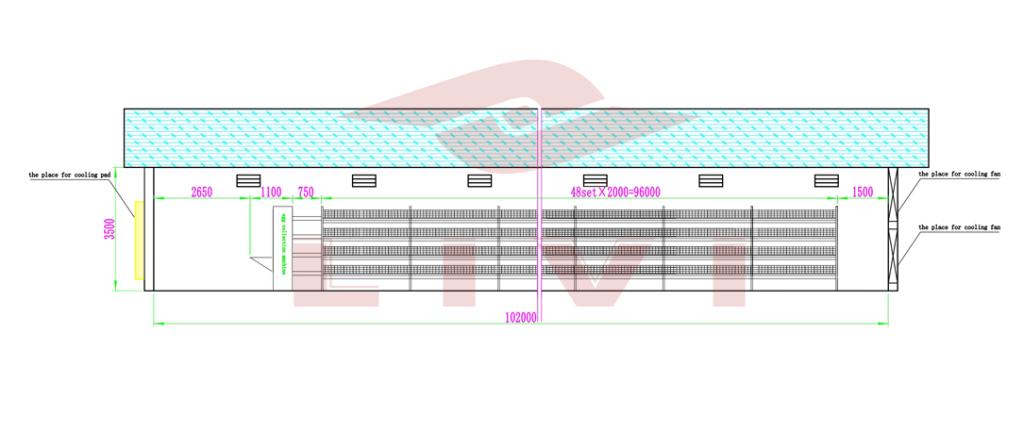
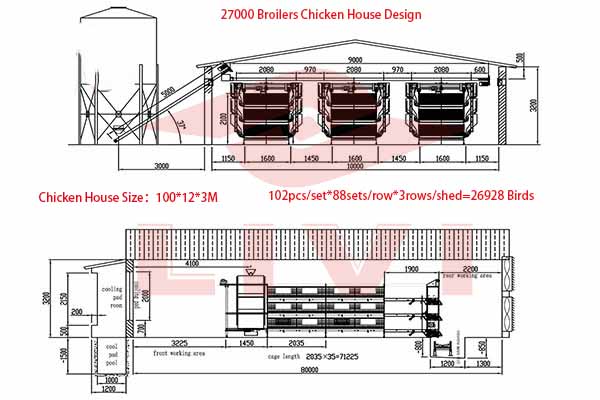
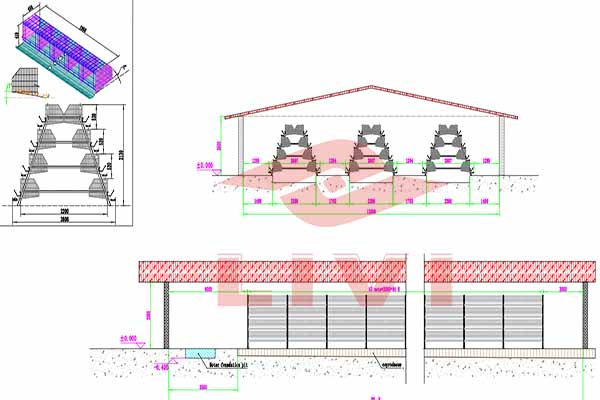
Choosing the right location is paramount. Factors to consider include climate, proximity to feed suppliers, and transportation infrastructure. The design should cater to the specific needs of broiler chickens, ensuring adequate space per bird and proper ventilation.
2. Equipment and Facilities
Selecting the right equipment is vital for efficient broiler cage operations. This includes:
- Broiler cages: Opt for high-quality cages with features like anti-pick mechanisms to prevent feather pecking.
- Ventilation systems: Ensure proper air circulation to control temperature and humidity.
- Watering and feeding systems: Automated systems reduce labor requirements and improve feed efficiency.
3. Biosecurity Measures
Implementing stringent biosecurity protocols is crucial to prevent disease outbreaks. This includes:
- Regular cleaning and disinfection of cages and facilities.
- Controlling access to the farm, particularly during peak disease periods.
- Monitoring bird health regularly.
Operational Processes
1. Housing and Management
Proper housing and management practices are essential for broiler cage operations:
- Proper bird density: Ensure adequate space per bird to minimize stress and improve growth rates.
- Regular health checks: Monitor bird health and address any issues promptly.
2. Feeding and Watering
Optimize feed and water intake:
- Quality feed: Use high-quality, nutritionally balanced feed to support growth and productivity.
- Consistent feeding schedule: Maintain a regular feeding schedule to prevent hunger and overeating.
3. Monitoring and Record Keeping
Maintain accurate records of:
- Bird health and performance data.
- Feeding and water usage.
- Operational costs and efficiencies.
Cost-Benefit Analysis
A well-planned operation can yield significant financial returns. Evaluate the costs and benefits of broiler cage operations, including capital investment, operational costs, and potential income.
Contact Us for Free Chicken Farm Design and Quotation
If you’re interested in setting up an efficient broiler cage operation or seeking a professional design and quotation, don’t hesitate to contact us. We offer free, no-obligation consultations to help you make informed decisions for your poultry farming business.