Poultry Farm Automation: The Future of the Chicken Industry
Introduction to Poultry Farm Automation Technology
The poultry farming industry is undergoing a significant transformation with the integration of automation technology. This shift aims to increase efficiency, reduce labor costs, and improve overall farm productivity.
Automation technology offers numerous benefits, including:
- Increased accuracy in feeding and watering systems.
- Real-time monitoring of flock health and behavior.
- Reduced dependency on manual labor, leading to cost savings.
- Improved biosecurity and disease control measures.
Key Automation Technologies in Poultry Farms
Here are some of the key technologies that are revolutionizing poultry farming:
| Technology | Description |
|---|---|
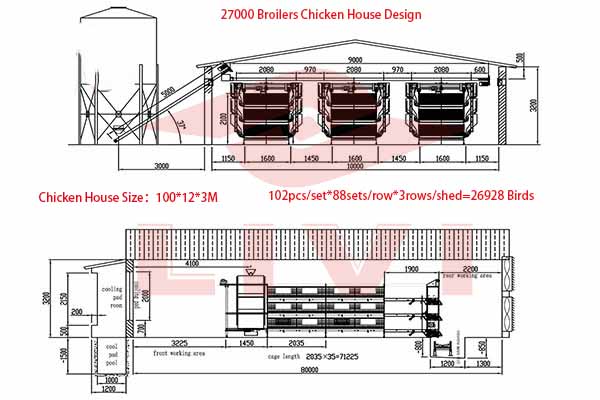
| Feeding Systems | Automated systems that dispense precise amounts of feed to chickens, ensuring proper nutrition and reducing feed waste. |
| Watering Systems | Electronic watering systems that maintain consistent water quality and pressure. |
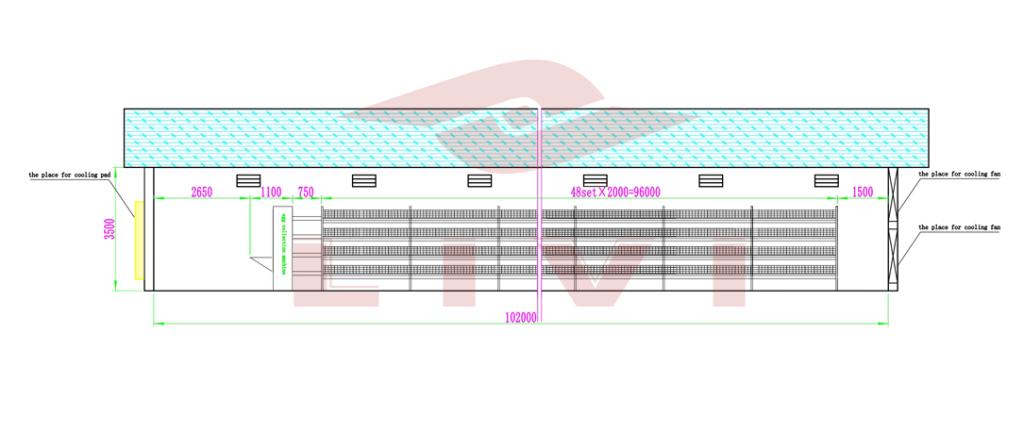
| Environmental Controls | Automatic systems that regulate temperature, humidity, and air quality in the poultry houses. |
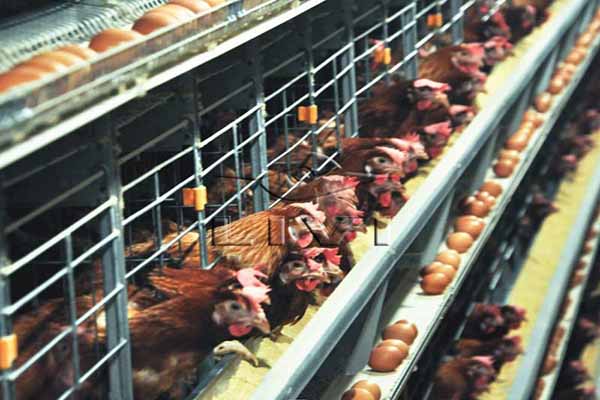
| Health Monitoring | Integrated sensors and cameras that track flock health and behavior, alerting farmers to any potential issues. |
Benefits of Automation for Poultry Farm Owners and Investors
Implementing automation technology can yield several long-term benefits for poultry farm owners and investors:
- Enhanced productivity: Automation can lead to a 20-30% increase in production efficiency.
- Cost reduction: By reducing labor costs and minimizing waste, automation can significantly lower operating expenses.
- Better flock health: Regular monitoring and timely interventions can prevent disease outbreaks and improve survival rates.
- Increased profitability: The combination of higher production and lower costs results in a more profitable business model.
Case Study: A Successful Poultry Farm Implementation
A leading poultry farm in the United States implemented automation technology across its facilities. After one year, the farm reported a 25% increase in production, a 15% reduction in labor 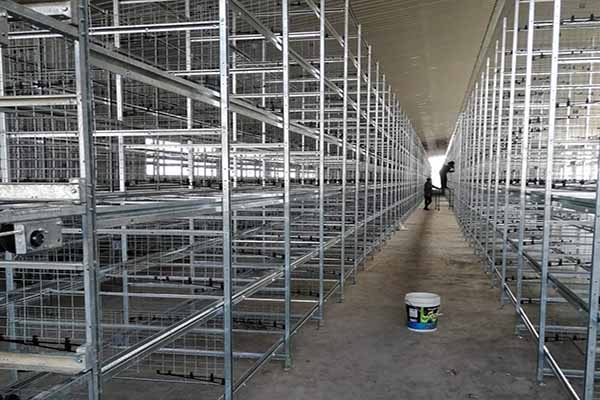 costs, and a 10% decrease in feed waste.
These results highlight the potential of automation to transform the poultry farming industry.
Conclusion
Automation technology is poised to become a cornerstone of the modern poultry farming industry. By embracing these innovat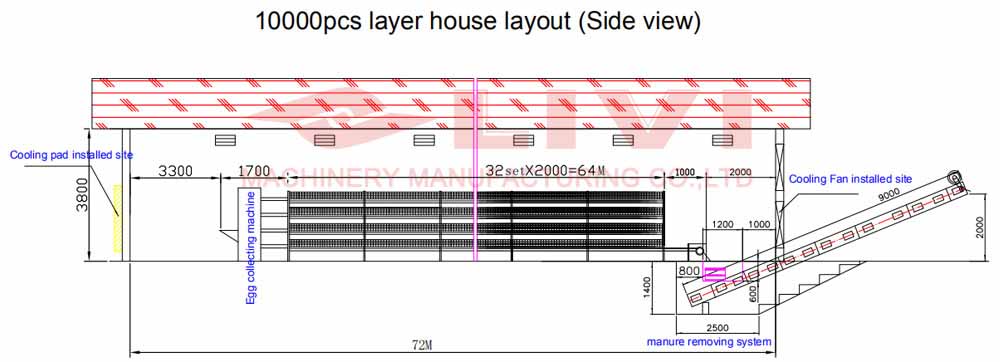 ive solutions, poultry farmers can position themselves for a more sustainable and profitable future.
Are you ready to explore the potential of automation for your poultry farm? Leave a comment below, and our team at LIVI will provide you with a free chicken farming design plan and equipment quote.