Best Practices for Building a Successful Poultry Farm
Embarking on the journey to establish a successful poultry farm requires careful planning and adherence to best practices. This article outlines essential steps and considerations for potential investors and farm owners to maximize productivity and profitability in the poultry industry.
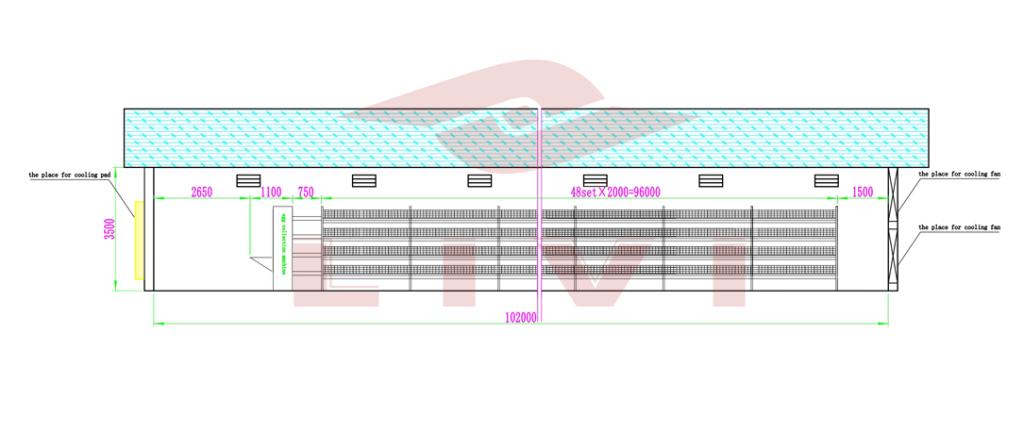
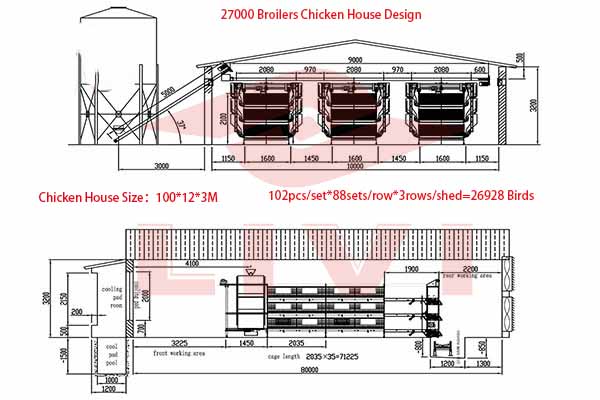
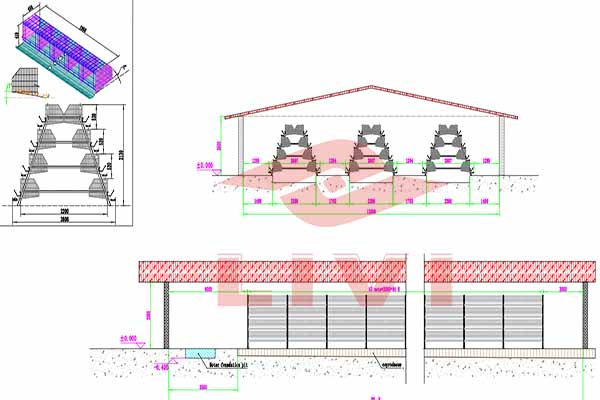
1. Site Selection and Layout
Selecting the right location is crucial. Here are key factors to consider:
- Proximity to markets for easy access to customers.
- Availability of clean water sources for both poultry and farm staff.
- Accessibility for suppliers and transport services.
- Soil type that can support the required infrastructure.
2. Housing and Environmental Controls
Optimal housing conditions are vital for healthy birds:
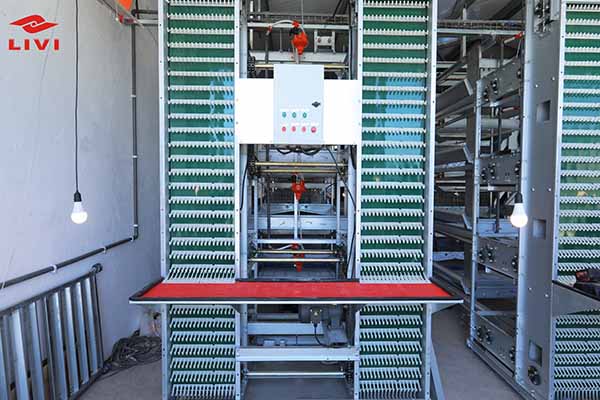
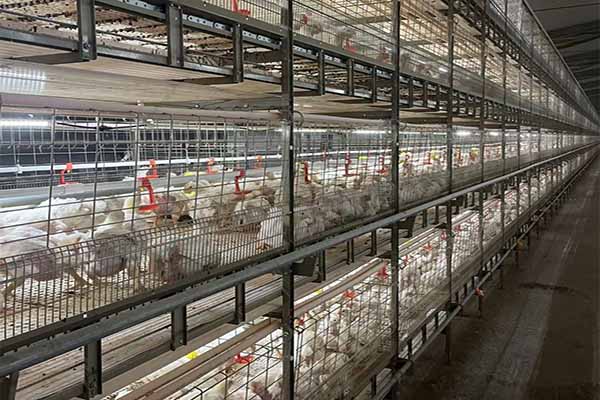
- Temperature: Ensure the coop is well-ventilated and has temperature controls.
- Lighting: Use controlled lighting to simulate natural cycles and reduce stress.
- Air quality: Maintain high air quality to prevent disease and ensure well-being.
- Space allocation: Provide sufficient space per bird for comfort and growth.
3. Health and Disease Management
Implement a robust biosecurity program:
- Regular veterinary check-ups and vaccinations.
- Isolation of sick birds to prevent spread.
- Sanitization of equipment and facilities.
- Monitoring bird health metrics and acting promptly to any anomalies.
4. Feeding and Nutrition
Nutrition is key to productivity:
- Choose high-quality feed to ensure optimal growth and egg production.
- Monitor feed intake and adjust rations as needed.
- Incorporate supplements to support health and productivity.
- Provide fresh water at all times.
5. Water Supply and Waste Management
Effective water and waste management are critical:
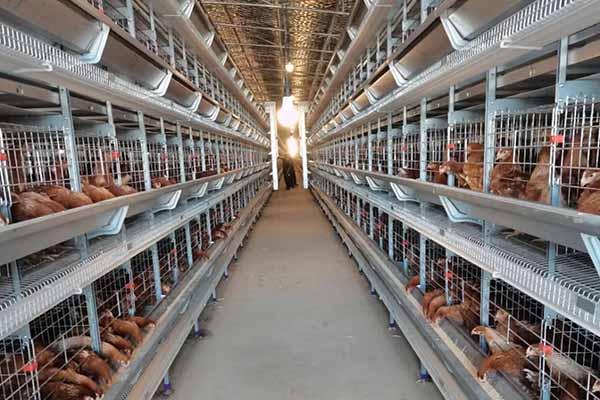
- Install reliable water systems to ensure continuous supply.
- Implement waste management systems that are environmentally friendly and comply with regulations.
- Monitor water quality regularly to ensure it meets health standards.
6. Cost Optimization
Maximize profits through efficient operations:
- Invest in energy-efficient systems to reduce utility costs.
- Implement a waste-to-income strategy to utilize by-products.
- Optimize staffing to reduce labor costs.
- Analyze and act on performance data to streamline operations.
7. Marketing and Sales Strategy
Develop a strong market presence:
- Identify target markets and tailor your product offering accordingly.
- Establish partnerships with distributors and retailers.
- Collect and analyze customer feedback to improve product and service quality.
<li utilse social media and digital marketing to reach a wider audience.
</ ul>
ul>
By following these best practices, you can set the stage for a successful poultry farm. For personalized assistance, including free poultry farm design plans and equipment quotes, reach out to Livi Mechanical. Your journey to a thriving poultry farm starts here.